Wondering whether a Glenora character home or a newer infill is the better fit for your life? You are not alone. In one of Edmonton’s most established neighbourhoods, it is common to see historic homes, mid-century properties, and newer redevelopment all within the same area. If you are trying to balance charm, function, long-term upkeep, and resale potential, this guide will help you compare your options with more clarity. Let’s dive in.
Why Glenora Makes This Choice Different
Glenora is not a neighbourhood where every street feels the same. City materials describe it as one of Edmonton’s older residential areas, with roots tied to early land development and a long history of single-detached homes alongside apartments. That mix helps explain why character homes and infill properties can both feel at home here.
The neighbourhood also carries recognized historic and design value. The City identifies Glenora as one of Edmonton’s richest collections of historic residences and a well-preserved garden-city suburb, while also using planning tools to help redevelopment better match local character. For you as a buyer, that means the conversation is not simply old versus new. It is about how a home fits the lot, the street, and your goals.
What Defines a Character Home
In Glenora, a character home usually offers more than age alone. These homes are often valued for architectural presence, mature landscaping, and a strong relationship to the street. Features found in early 20th-century homes can include brick exteriors, hipped roofs, enclosed front porches, wooden-sash windows, and restrained historic detailing.
That kind of appeal can be hard to replicate. On many Glenora streets, the lot pattern, wide setbacks, mature trees, and established landscaping all shape the experience of the home. If you are drawn to homes that feel rooted in the neighbourhood, this is often the biggest reason buyers lean toward character properties.
What Buyers Usually Love
Character-home buyers are often looking for:
- Original architectural details
- Mature trees and established landscaping
- Wider setbacks and a strong street presence
- A more distinctive layout and exterior style
- A sense of history that newer homes may not offer
These benefits are real, but they come with tradeoffs that deserve a close look before you write an offer.
What Defines an Infill Home
Infill in Glenora is shaped by Edmonton’s redevelopment rules for mature neighbourhoods. The Mature Neighbourhood Overlay is designed to keep new development more context-sensitive and pedestrian-oriented. It regulates things like setbacks, height, privacy, dormer width, and garage placement.
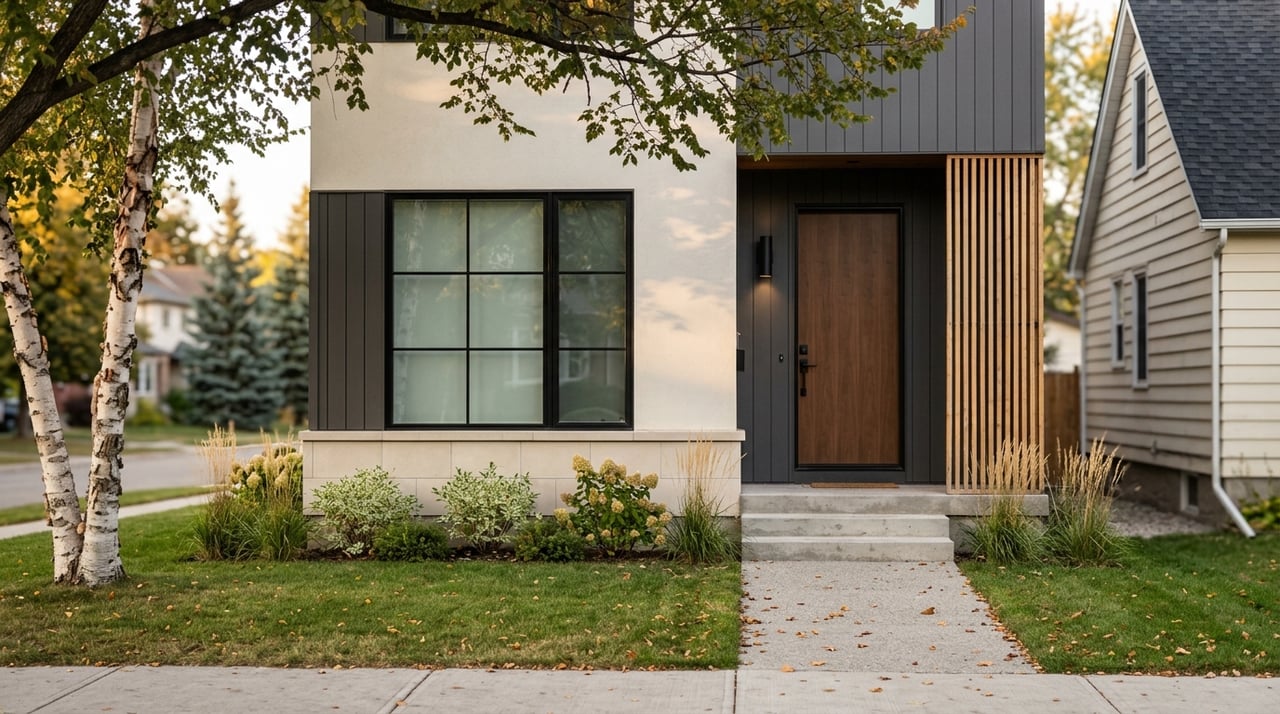
That matters because not all new homes fit the street equally well. The City also requires specific design features for some row-house style infill, including a street-facing main entrance, minimum front-window area, multiple design techniques on street-facing walls, and soft landscaping with trees and shrubs. If you are considering newer construction, these details can have a real effect on curb appeal and how the home feels in the block.
What Buyers Usually Love
Infill buyers are often drawn to:
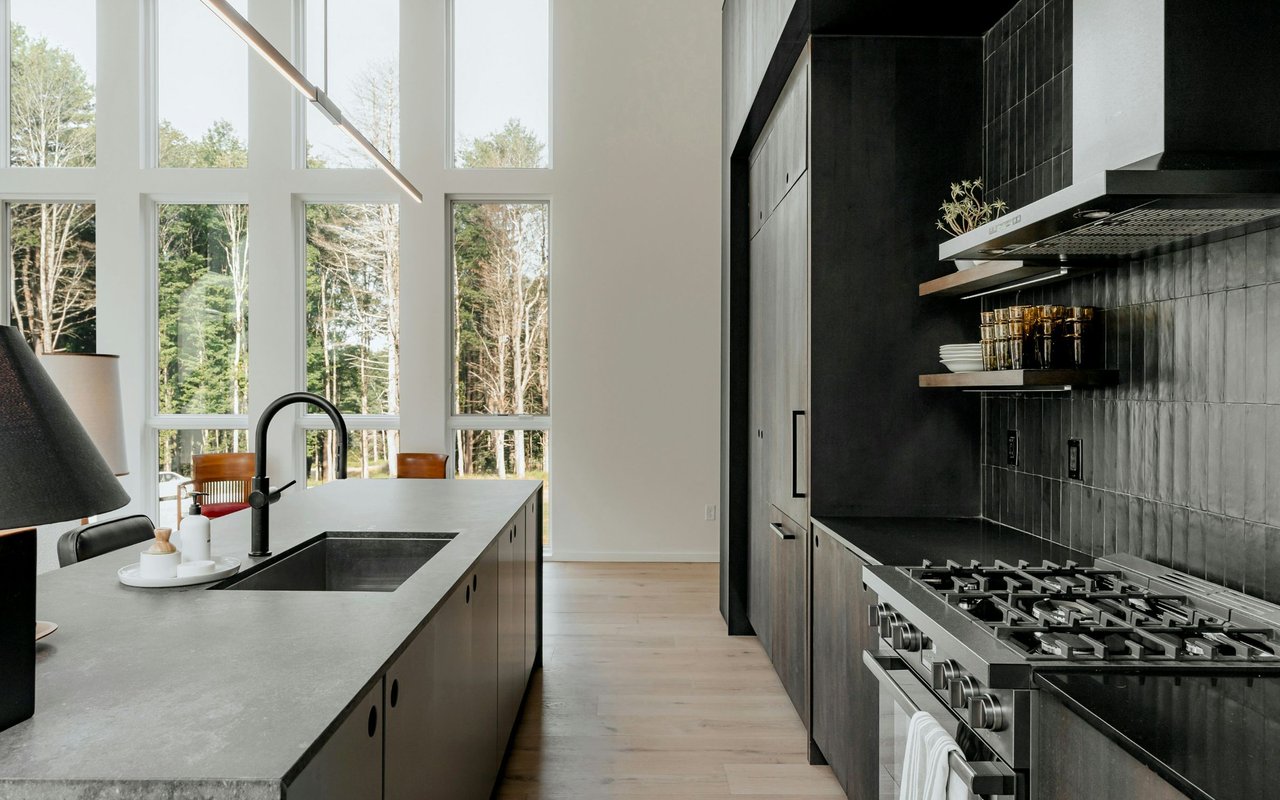
- Newer building systems and finishes
- More modern layouts and interior efficiency
- Lower near-term renovation needs
- Contemporary design and storage options
- A lifestyle that may feel easier to manage day to day
For some buyers, that convenience is the deciding factor. For others, it is worth comparing against lot constraints and neighbourhood redevelopment activity.
Character Homes vs Infill in Glenora
If you are deciding between the two, the right answer usually comes down to how you want to live, not just what looks best online.
| Factor | Character Home | Infill Home |
|---|---|---|
| Appeal | Historic style and established presence | Modern design and newer finishes |
| Lot feel | Mature landscaping and wider setbacks in many areas | Often maximizes available building envelope |
| Maintenance | May involve older materials and more upkeep | Typically less immediate maintenance |
| Layout | Can be unique, but sometimes less efficient | Usually more open and modern |
| Due diligence | Age, permits, materials, compliance | Layout, garage access, grading, nearby redevelopment |
Neither option is automatically better. The question is which compromises feel easier for you to live with over time.
How Lot Layout Affects Your Decision
In Glenora, lot form can matter just as much as the house itself. Character-area planning materials point to wide setbacks, mature trees, curving streets in some sections, and lane-oriented access patterns in parts of the neighbourhood. These qualities can add privacy and curb appeal, but they can also limit where garages, additions, or garden suites fit.
That is especially important if you are thinking beyond the current home. A house may look ideal today, but your long-term plans could be shaped by lot width, access, tree location, and where the existing structure sits on the site. This is one of the most important reasons to evaluate the lot and not just the interior.
Garage and Access Rules Matter
Under the Mature Neighbourhood Overlay, rear attached garages are not allowed, and rear detached garages or garden suites must sit fully within the rear 12.8 metres of the site. If a property abuts a lane, access must come from the lane. Those rules can influence everything from parking convenience to future development potential.
For infill buyers, this can affect how practical the garage and yard actually feel. For character-home buyers, it can affect whether an older garage, addition, or yard plan still works for modern use.
Key Risks With Character Homes
Older homes can be incredibly rewarding, but they require careful due diligence. Alberta recommends using a licensed home inspector who provides a contract and a written report, and buyers should confirm the inspector’s licence, insurance, and familiarity with the current Alberta Building Code.
In older Glenora homes, age-related materials are often a key concern. Health Canada says homes built before 1960 probably contain lead-based paint, and federal guidance notes asbestos was commonly used in insulation and other building materials before 1990. If materials may be disturbed, testing is an important step.
Historic Designation Is Not the Same as Being Old
Some buyers assume any older Glenora home comes with heritage incentives. That is not the case. The City states that restoration, rehabilitation, and maintenance incentives may be available for properties designated as Municipal Historic Resources, but those incentives apply only to designated resources, not every older home.
So if a property’s heritage status matters to your decision, that needs to be confirmed early. It can affect both ownership expectations and the financial picture for future work.
Key Risks With Infill Homes
With infill, the biggest risks are often practical rather than cosmetic. Layout, garage access, grading, tree protection, and neighbouring redevelopment can all affect how the property functions. A sharp interior does not always tell you how the lot performs during spring melt, active nearby construction, or future neighbourhood change.
Edmonton requires an infill lot-grading plan for development in mature neighbourhoods. The City also says work within 5 metres of a City-owned boulevard tree requires tree protection measures and a Public Tree Permit. In a neighbourhood like Glenora, where mature trees are a defining feature, those details matter.
Redevelopment Rules Still Shape New Homes
Current city information says the RS zone allows several housing forms, including single-detached, semi-detached, backyard housing, row housing, and small multi-unit housing, with a 45% maximum site coverage. The City also notes a height reduction to 9.5 metres in the RS zone takes effect August 1, 2026, for development permits approved on or after that date, while the current page still summarizes the maximum as 10.5 metres until then.
That does not mean every lot can support every option. Parcel-specific zoning, DC1 provisions, title caveats, and restrictive covenants can all affect what is allowed. In Glenora, the exact lot always needs to be checked.
Due Diligence Before You Buy
Whether you are buying a 1920s home or a newer infill, a few checks can help you move forward with more confidence.
Review the Inspection Carefully
For a character home, pay close attention to age-related materials, signs of past renovation, and how older components have been maintained. For an infill, focus on grading, finish quality, drainage, garage usability, and any signs of settlement or incomplete exterior work.
Confirm Permits and Compliance
A Compliance Certificate from the City confirms whether structures on the property meet the Zoning Bylaw and have the proper development permits. The related Real Property Report should show all buildings and structures, plus their distances to property lines.
This can be especially useful if the home has older additions, decks, garages, fences, or substantial renovations. The City’s compliance report may also identify outstanding permits or encroachment agreements.
Understand Renovation Limits
If you plan to renovate after closing, check requirements before you assume the project is simple. Edmonton states that most projects require both a development permit and a building permit, and exterior changes, structural changes, and changes to windows or doors often trigger permit review.
In Glenora, that can be especially important because neighbourhood character, lot rules, and existing improvements can all affect what is realistic.
Which Type of Home Fits You Best?
A character home may be the better fit if you value architectural detail, established landscaping, and a home that feels closely tied to Glenora’s historic streetscape. You may be more comfortable with maintenance planning and willing to investigate permit history, materials, and future renovation limits.
An infill may suit you better if you want a more modern floor plan, newer construction, and less immediate updating. You may also prefer contemporary design and a more predictable day-to-day ownership experience, while still accepting that lot access, grading, and surrounding redevelopment need careful review.
The best choice is usually the one that matches your priorities, not the one that wins on a single feature. In Glenora, both property types can be excellent purchases when the lot, rules, and condition align with your plans.
If you are comparing homes in Glenora and want calm, detailed guidance on what to look for before you make an offer, Franco Maione can help you evaluate the tradeoffs clearly and move forward with confidence.
FAQs
What is the difference between a character home and an infill in Glenora?
- A character home is typically valued for historic architecture, mature landscaping, and established street presence, while an infill is usually valued for newer construction, modern layouts, and lower near-term renovation needs.
Are all older homes in Glenora protected or eligible for heritage incentives?
- No. The City states that incentives may be available for designated Municipal Historic Resources, not for every older home in the neighbourhood.
Do all Glenora lots follow the same redevelopment rules?
- No. Parcel-specific zoning, DC1 provisions, title caveats, and restrictive covenants can all affect what is allowed on a specific property.
What should buyers check before buying an older Glenora home?
- Buyers should consider a licensed home inspection, review possible age-related materials such as lead paint or asbestos, and confirm permit history and zoning compliance through City documentation.
What are the main concerns when buying a Glenora infill?
- The main concerns often include garage access, parking usability, lot grading, tree protection requirements, and the impact of nearby redevelopment or active construction.