If you are searching for an Edmonton neighborhood that feels established, central, and quietly distinctive, Glenora usually rises to the top of the list. You may be looking for a character home, a refined streetscape, or quick access to downtown without giving up green space. This guide will help you understand what makes Glenora stand out, what daily life looks like here, and why it remains one of Edmonton’s signature communities. Let’s dive in.
Glenora’s Place in Edmonton
Glenora is one of Edmonton’s older residential areas, with roots that trace back to 1869. The City notes it was later planned in 1906 as an exclusive estate development, which still shapes how the neighborhood feels today.
You will find Glenora just west of downtown, giving it a very central position within the city. That inner-west location is a big part of its appeal, especially if you want a residential setting with easy access to Edmonton’s core.
The neighborhood is generally bounded by 142 Street to the west, 107 Avenue to the north, Groat Road to the east, and Ravine Drive to the south. Those edges help define Glenora as a contained, recognizable community with a strong identity.
Why Glenora Feels So Distinct
Some neighborhoods are easy to describe but hard to feel until you visit them. Glenora is the opposite. Its mature trees, wide boulevards, older homes, and river-valley connection create a sense of place that feels established right away.
The City describes Glenora as an architectural snapshot of Edmonton residential styles across more than a century. In practical terms, that means you are not looking at a neighborhood with one uniform housing type or one era of construction. Instead, you get layers of history that show up in the homes, streets, and public spaces.
Alexander Circle Park is one of the clearest examples of that legacy. The City highlights it as part of Glenora’s early-20th-century garden suburb design, and the community league notes that early tree planting helped create the boulevards that still define the area today.
A Streetscape With History
For many buyers, Glenora’s biggest draw is the streetscape itself. This is a neighborhood where the look and feel of the blocks matter just as much as the square footage of a home.
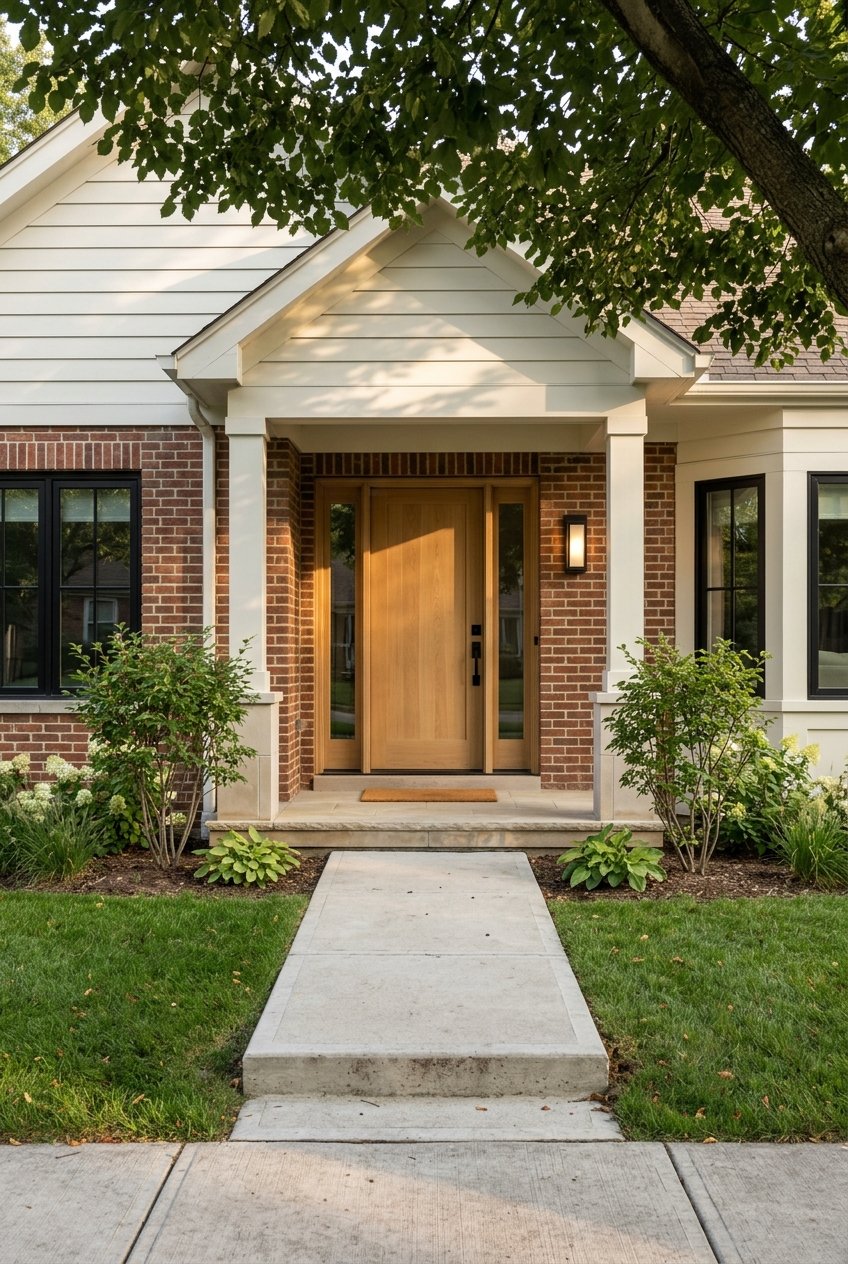
Many original homes from Glenora’s early development period still remain. At the same time, some properties have been rebuilt over the years, so the neighborhood includes both historic character and newer residential updates.
That mix gives Glenora a layered, evolving feel instead of a frozen one. If you value mature landscaping, established lots, and architecture with variety, this is one of the community’s strongest selling points.
What Housing Looks Like
Glenora is primarily known for single-detached homes. Historical census profiles show that about three-quarters of the housing mix was single-detached, with a smaller share of apartments making up the rest.
That tells you something important about what to expect as a buyer. Glenora tends to feel more like character-home territory than condo-heavy territory, even though there are some apartment pockets within the neighborhood.
Historical tenure data also shows that Glenora has long been mostly owner-occupied. That ownership pattern helps reinforce the area’s stable, established residential character.
Low-Density, Inner-City Living
In 2019, the municipal census recorded 3,305 residents and 1,343 occupied dwellings in Glenora. For such a central location, that helps frame the neighborhood as relatively low-density.
If you want an inner-city address without the feel of a highly packed urban district, Glenora offers a different pace. It feels residential first, while still keeping city access close at hand.
This balance is part of why Glenora often appeals to a wide range of buyers. You can be close to downtown while still living in a neighborhood known for homes, trees, parks, and quieter streets.
River Valley Access Matters Here
Glenora’s connection to the river valley is not just a nice bonus. It is one of the defining parts of the neighborhood.
The community sits near multiple ravines and the river valley, and the school community describes the area as being within walking distance of three ravines. That kind of access shapes how many people use the neighborhood day to day, whether for walking, cycling, or simply spending more time outdoors.
Government House Park is one of the standout nearby green spaces. Located on the north bank of the river next to Groat Road, it offers picnic sites, trails, and river viewpoints.
The City also notes that Edmonton’s river valley trail network includes more than 160 kilometers of maintained multi-use trails. For buyers who value recreation and outdoor access, that is a major lifestyle advantage.
Heritage and Landmark Appeal
Glenora also carries real heritage presence. One of the area’s best-known landmarks is Government House, which opened in 1913 as the Lieutenant Governor’s residence and overlooks the river valley.
Landmarks like this add depth to the neighborhood’s identity. They help Glenora feel like more than just a collection of attractive homes. There is a sense of continuity here that many established-community buyers are looking for.
That does not mean every home or block feels historic in the same way. It means the broader neighborhood has a story, and that story is visible in the built environment.
Everyday Convenience in Glenora
A signature neighborhood still needs to work in daily life. Glenora benefits from nearby commercial services along Stony Plain Road, 124 Street, and 142 Street, according to the City’s neighborhood profile.
That means many day-to-day errands, dining stops, and service needs are close by. For buyers who want convenience without living directly in a high-intensity commercial district, this is an important middle ground.
The neighborhood is also described as highly walkable. That walkability, combined with the mature streetscape, helps support the kind of lifestyle many people want when they choose an established central community.
Parks, Schools, and Community Life
Glenora includes schools, parks, and open spaces as part of its neighborhood fabric. Glenora School notes a newer playground and splash park at the community league, and it also points to Westminster junior high being located within the community.
It is best to think of these features as part of the area’s day-to-day convenience rather than labels of quality. They simply add to the practical appeal for people who want local amenities nearby.
The Glenora Community League also plays a visible role in neighborhood life. Current offerings include hall rentals, tennis and pickleball courts, preschool, indoor playground access, basketball, soccer, mini-sports, and other membership benefits.
Those kinds of amenities can make a neighborhood feel more connected and usable. They add activity and local touchpoints without changing the calm residential character that draws many buyers here.
How Central Glenora Feels
One of the most common questions buyers ask is whether Glenora truly feels central. The short answer is yes.
City storytelling describes it as a strollable neighborhood just west of downtown. That captures the experience well. You are not in the middle of downtown activity, but you are close enough to benefit from the location every day.
There is also future transit infrastructure to keep in mind. The future Valley Line West alignment includes a Glenora Stop, with construction and testing expected before opening in 2028.
For buyers thinking long term, that planned connectivity may add another layer of convenience. It is one more reason Glenora remains part of so many neighborhood shortlists.
Who Glenora Often Appeals To
Glenora tends to attract buyers who want a neighborhood with strong identity. If you are drawn to mature trees, established homes, river-valley access, and a central location, Glenora will likely feel worth a closer look.
It can also appeal to buyers comparing character and convenience across Edmonton’s more established communities. Rather than offering a new-subdivision feel, Glenora offers a sense of permanence and place.
From a real estate perspective, that matters. Neighborhoods with a clear identity often stand out because buyers understand what they are getting, both in terms of lifestyle and setting.
What to Consider Before You Buy
Glenora has a lot of strengths, but the right fit always depends on your goals. If you prefer newer subdivision planning, more uniform housing stock, or a very condo-focused inventory, you may find Glenora offers something different.
Here, the value is in the established streetscape, varied architecture, and central setting. The neighborhood tends to reward buyers who appreciate character, lot presence, mature landscaping, and a location tied closely to Edmonton’s river valley and downtown.
It also helps to go beyond listing photos. In Glenora, block-by-block feel, nearby park access, and the mix of original and rebuilt homes can shape your experience as much as the home itself.
Why Glenora Stands Out
What defines Glenora is not just one feature. It is the combination of history, housing character, river-valley access, walkability, and central positioning that gives the neighborhood its reputation.
You get a community that feels established without feeling disconnected. You get residential calm near downtown. You get heritage presence, mature boulevards, and a housing mix anchored by single-detached homes.
That combination is hard to replicate, and it is why Glenora continues to be seen as one of Edmonton’s signature communities. If you are looking for a neighborhood with lasting identity, it makes a strong case for itself.
If you are considering Glenora and want clear, informed guidance on how the neighborhood fits your goals, Franco Maione can help you explore your options with a calm, detailed approach.
FAQs
What defines Glenora in Edmonton?
- Glenora is defined by its early history, mature tree-lined streets, strong river-valley connection, central location just west of downtown, and housing mix anchored by single-detached homes.
What types of homes are common in Glenora?
- Glenora is mostly known for single-detached homes, with historical census data showing that roughly three-quarters of the housing stock was single-detached, plus a smaller share of apartments.
How close is Glenora to downtown Edmonton?
- Glenora is immediately west of downtown and is widely described as a central, strollable inner-west neighborhood with convenient access to the city core.
What outdoor amenities are near Glenora?
- Glenora offers access to ravines, the river valley, local parks, and nearby Government House Park, plus connections to Edmonton’s maintained multi-use trail network.
Is Glenora a walkable neighborhood?
- Yes. Local sources describe Glenora as highly walkable, with nearby amenities, schools, parks, and access points to surrounding green space.
What makes Glenora different from newer Edmonton communities?
- Glenora offers mature landscaping, historic and rebuilt homes, established boulevards, and a long-standing neighborhood identity rather than the more uniform feel of a newer subdivision.